How it works
Upload a photo. We crop it to spec, replace the background, and run 25+ compliance checks in seconds.
Example: mostly good, but ears covered
 Original
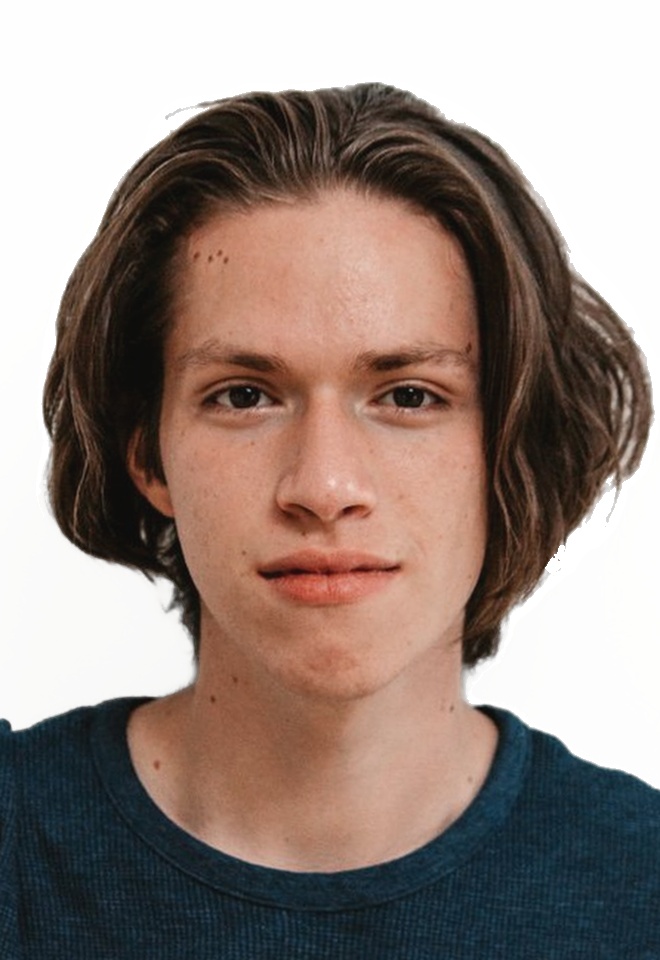 China Visa (33x48mm)
This photo passes most checks but would be flagged for a China or India visa because both ears are hidden by hair. For a USA or UK passport, ears don't need to be visible — this photo would pass.
Example: expression issues
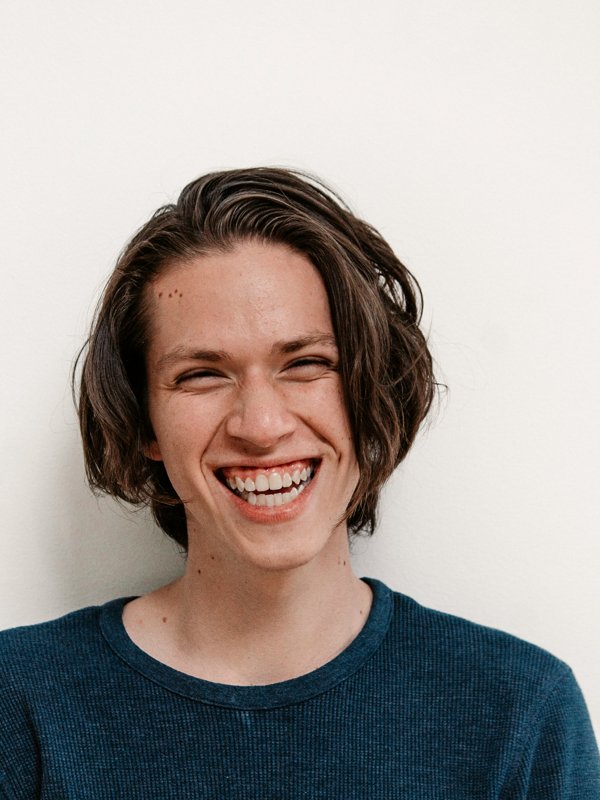 Original
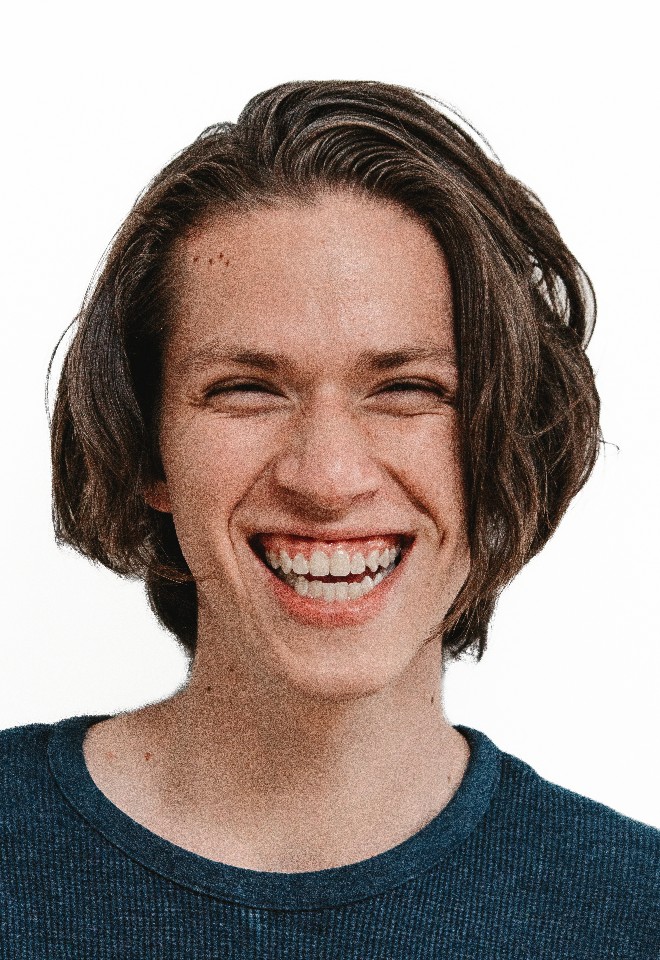 China Visa (33x48mm)
This photo would be rejected for any visa or passport. A neutral expression with mouth closed is required by every country.
What we check
Face position & framing
- Top margin
- Distance from the top of the photo to the top of your head. Too close and the photo is rejected. Each country has a specific range (e.g., China requires 3–5mm).
- Head height
- Crown-to-chin measurement must fall within the country's required range. Too large or too small means the photo is framed wrong.
- Head width
- Face width must be within spec. This ensures consistent sizing across all applicants.
- Centering
- Your face must be centered horizontally. We allow up to 3% offset.
- Straight-on
- Head must be level, facing the camera directly. We detect tilt from eye alignment.
- Hair clipping
- If the top of your head is cut off by the photo edge, we flag it. Step back from the camera or aim higher.
Photo quality
- Overexposure
- Checks for blown-out highlights on your face. More than 5% saturated pixels means the lighting is too harsh.
- Underexposure
- Your face should be well-lit. Average luminance below 80 means the photo is too dark.
- Shadows
- Compares brightness of the left and right sides of your face. Uneven lighting (more than 30% difference) means there's a shadow.
- Background uniformity
- After we replace the background with white, we verify it's clean and even. Any artifacts or uneven areas are flagged.
- Blurriness
- The face region must be sharp. We also check for shallow depth of field (Portrait Mode) which blurs the edges of your face.
Compliance
These rules vary by country. We adjust the checks based on which document you select.
- Glasses
- Not allowed for any of the countries we currently support. Even clear lenses cause reflections that obscure your eyes. The US banned glasses in passport photos in 2016, the UK in 2018.
- Smile
- Most countries require a neutral expression with mouth closed. The USA is an exception — a natural, closed-mouth smile is acceptable.
- Open mouth
- Mouth must be closed for all countries.
- Eyes closed
- Both eyes must be open and clearly visible.
- Ears visible
- Required for: China, India
Not required for: USA, UK, Schengen
China is particularly strict — hair covering ears is the #1 rejection reason on the COVA online application system. If you're applying for a Chinese visa, tie back your hair. - Forehead visible
- Required for all countries we support. Bangs or fringe covering your forehead will be flagged. For China, this is the second most common rejection reason after ears.
- Clothing color
- Warns if your clothing is white or very light, as it blends with the white background. Dark or colored clothing photographs best.
Why do these rules exist?
Every passport photo rule traces back to facial recognition at border control. Read the full explanation — how e-gates work, why ears matter for biometrics, and how the system achieves 99%+ accuracy across 150 countries.
Try it yourself
Upload a photo and see your full validation report in seconds. $9.99 for the final photo. Accepted or money back.
Get your photo now